
Product Strategy by Use Case
Stock the Engine. Choose the Finish When the Job Is Ready.
Keep core engines organized for repeat work and keep trim choices available for approved modular finish changes.
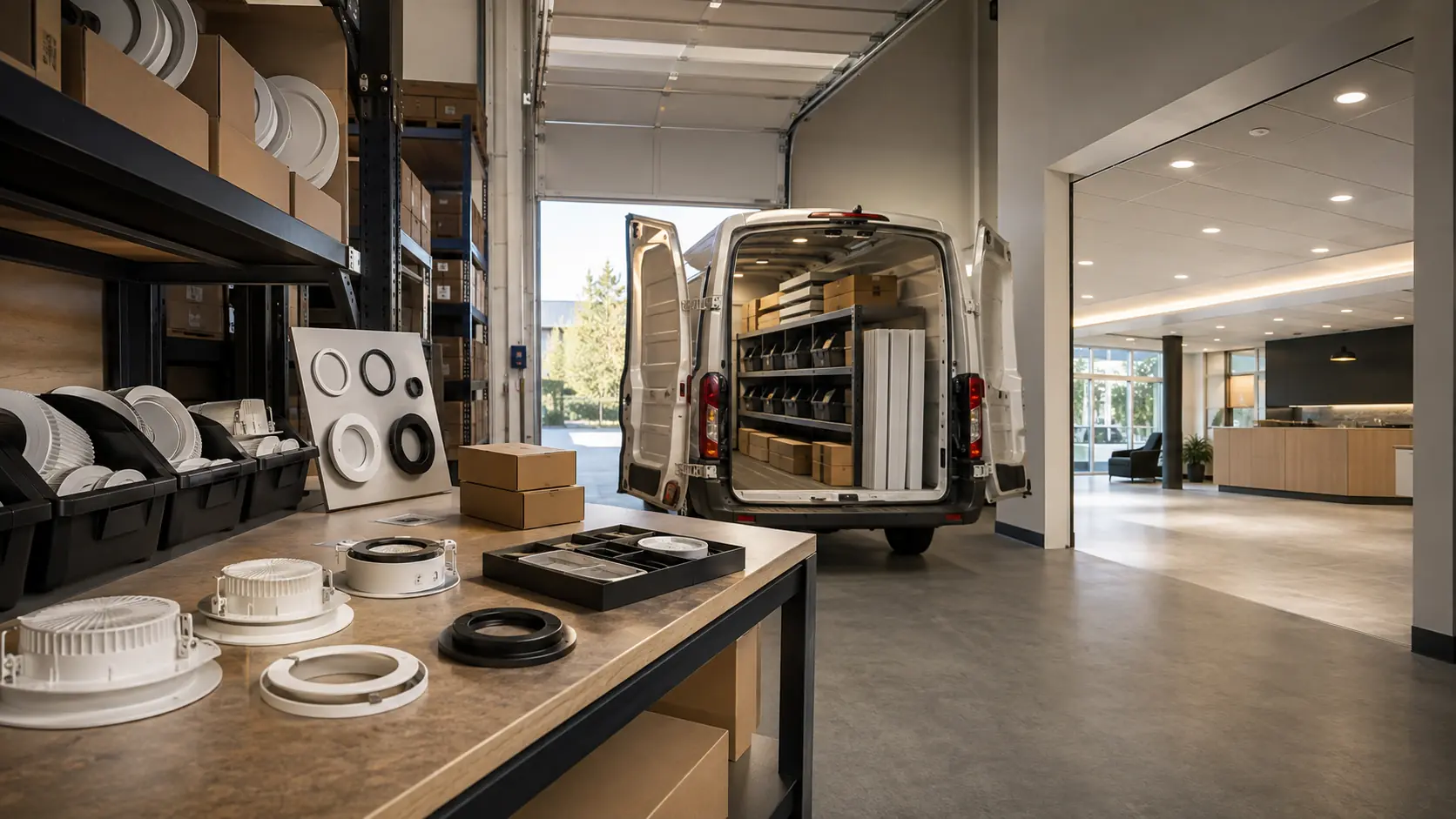
Project brief
Who this strategy is for
For electrical contractors and commercial service teams seeking clear SKU identity, organized product families, sample support, and controlled compatibility at the point of selection.
Lighting-zone strategy
How we would light this space
- 01
Shop
Organization: Separate engines, trims, documentation, and sample support with exact SKU clarity.
- 02
Sample Board
Selection support: Use physical samples to coordinate approved finish decisions.
- 03
Service Vehicle
Controlled allocation: Carry only job-relevant controlled quantities with documentation.
- 04
Project
Installation planning: Confirm the exact approved engine-and-trim combination before installation.
- 05
Finished Space
Outcome: Preserve product identity and replacement-family continuity in project records.
Controlled catalog relationships
Recommended STARLET Package
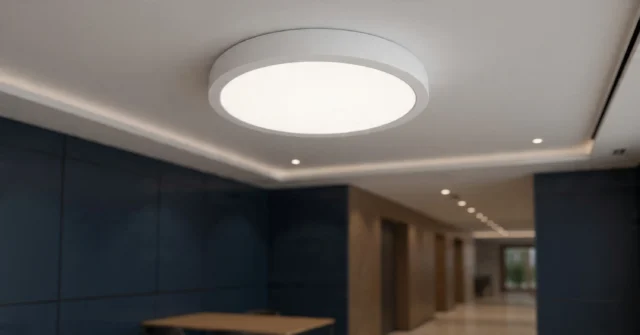
RADDAN
RADDAN 7-Inch Light Engine
STRLT-RP1-ST-07-128-WH-120-5S
Compact repeat-work engine · Shop and service vehicle
RADDAN 7 preserves the exact approved RP1 7-inch engine identity for controlled repeat work.
View ProductRADDAN
RADDAN 12-Inch Light Engine
STRLT-RP1-ST-12-248-WH-120-5S
Larger repeat-work engine · Shop and service vehicle
RADDAN 12 provides the controlled larger RP1 engine size included in the authorized contractor strategy.
View Product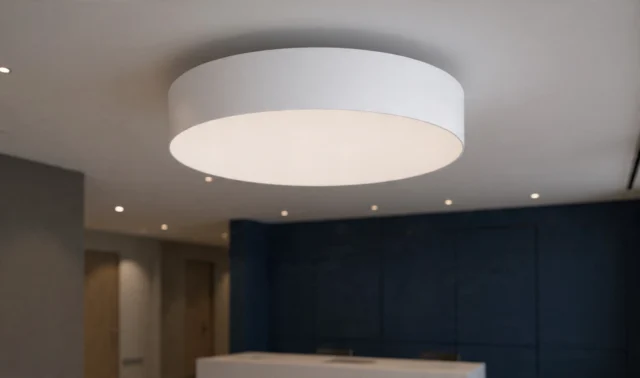
AP1
STARLET AP1 8-Inch Light Engine
STRLT-AP1-ST-08-188-WH-120-5S
Frameless 8-inch platform · Project allocation
The approved AP1 8-inch engine supports a separate controlled frameless product family.
View Product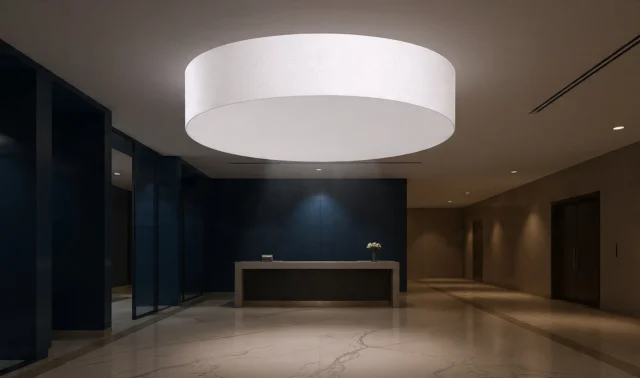
AP1
STARLET AP1 11-Inch Light Engine
STRLT-AP1-ST-11-248-WH-120-5S
Frameless 11-inch platform · Project allocation
The approved AP1 11-inch engine supports larger controlled frameless applications.
View ProductSales and support resource
One trim sample board — Sales and specification support resource; not a catalog SKU.
Controlled compatibility
Why modular matters here
Organize technical engines separately from architectural trim decisions. Confirm every final combination against the controlled system record before purchase or installation.
- Controlled light engine
- Verified compatibility
- Approved architectural trim
Specification confidence
Carry controlled project information forward
Portable strategy